
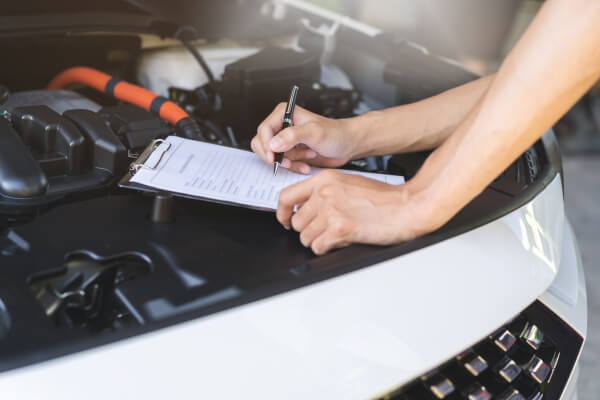
At Premier Vehicle Care, we understand that failing your MOT test can be stressful and confusing. The MOT test is a formal assessment of your vehicle’s safety and roadworthiness, carried out according to strict criteria. It is a legal requirement for most vehicles in the UK, overseen by the Department for Transport and its agencies. If you’re in Newcastle and your vehicle has just failed its MOT, don’t worry, you’re not alone, and we’re here to guide you every step of the way. In this blog, we’ll break down exactly what happens if you fail an MOT, what your options are, and how you can get your car road-ready again.
Understanding the MOT Test
The MOT test is a comprehensive assessment conducted by a DVSA-approved tester, following strict official guidelines set by the Department for Transport and its agencies. It is a legal requirement for most vehicles in the UK that are older than three years, ensuring your car is roadworthy and meets safety and environmental standards. The first MOT for a new vehicle is required by the third anniversary of its registration, and a current MOT pass certificate must be renewed annually on each anniversary thereafter.
During the MOT test, which typically takes 45 to 60 minutes, the tester checks the condition, operation, and security of key components. These include lights (for condition, operation, security, and colour), tyres, brakes, suspension, emissions, mirrors (for condition and security), seats (for security), seatbelts (for presence and correct operation), windscreen (for chips, cracks, and visibility), Vehicle Identification Number (VIN) for presence and legibility, number plate (for condition, security, legibility, and format), horn (for effectiveness and suitability), wipers and washers (for operation and clear view), doors (for correct opening, closing, and latch security), and the fuel system (for leaks and secure fuel cap). The assessment is based on strict criteria to ensure compliance with road safety and legal standards.
The MOT test applies to different vehicle classes, such as Class 4 for most cars and Class 7 for certain light commercial vehicles. Electric vehicles require an MOT after three years, but do not undergo an emissions test. The MOT test was first introduced in 1960 and has evolved to cover over twenty different parts or systems of a vehicle.
If your vehicle meets the required standards, a pass certificate is issued, confirming compliance and roadworthiness. If it fails, you can have it retested within ten working days to gain a pass. Even though most drivers prepare their vehicles in advance, sometimes faults only become apparent during the inspection. Failing an MOT doesn’t necessarily mean your car is unsafe; it just highlights areas that need attention.
Common Reasons for Failing an MOT
There are several reasons why vehicles fail MOT tests. At our MOT centre Newcastle, the most common failures we see include checks on the operation and security of key components:
- Brake and Suspension Issues: Worn brake pads or uneven suspension can cause a test failure.
- Lights and Electrical Faults: Burnt-out bulbs or faulty indicators are a frequent culprit.
- Tyres and Wheels: Insufficient tread depth or damaged tyres will lead to an automatic fail.
- Exhaust and Emissions Problems: Excessive emissions or leaks in the exhaust system are major MOT fail reasons.
- Body and Structural Defects: Rusted panels, sharp edges, or structural issues can stop your car from passing.
- Mirrors: Damaged or insecure mirrors can cause a failure, as the MOT test checks their condition and security.
- Seats: Insecure or faulty seats are a reason for failure, as the MOT inspection ensures seats are secure and functional.
- Windscreen: Chips, cracks, or poor visibility through the windscreen can result in a fail.
- Number Plate: Illegible, damaged, or insecure number plates can cause a failure due to registration and legal compliance checks.
- Wipers and Washers: Poor operation or condition of wipers and washers can lead to a failure, as they must provide a clear view of the road.
Failing an MOT can feel frustrating, but it’s important to remember that identifying these issues early keeps you, your passengers, and other road users safe.
What Happens If You Fail Your MOT Test?
If your vehicle fails its MOT, you will receive a VT30 ‘Refusal of an MOT Test Certificate’, which lists the reasons for failure. This certificate is crucial, as it details the specific repairs or corrections needed. Driving without a current MOT certificate is illegal and can result in a fine.
If your MOT has expired, you cannot legally drive your vehicle or renew your road tax, and your insurance may be invalidated.
Here’s what happens next:
1. You cannot drive on the road
Generally, you are not allowed to drive your car if it has failed the MOT, unless:
- You are driving it to a pre-booked repair appointment at an MOT centre or garage.
- You are driving it to another MOT test centre for a re-test.
It is a legal requirement in the UK to have a current MOT certificate for your vehicle.
Driving a car that has failed its MOT outside of these conditions is illegal and could result in fines or points on your licence.
2. Assessing the severity of the failure
MOT failures are categorised as ‘minor,’ ‘major,’ or ‘dangerous’ based on the tester’s assessment during the MOT test.
- Minor: Issues that do not pose an immediate risk but need attention soon. You can usually drive to get repairs done.
- Major: These are serious faults that affect road safety and must be repaired before driving.
- Dangerous: These are critical faults, such as severe brake issues, that make driving extremely unsafe. Your vehicle must not be driven until it is fixed.
The tester, a qualified professional, conducts a thorough assessment to determine whether a fault is minor, major, or dangerous according to DVSA standards.
Understanding the category of your failure helps determine your next steps.
Steps to Take After Failing an MOT
Failing an MOT isn’t the end of the world. Here’s a practical step-by-step guide to getting your car back on the road safely:
To help you stay on top of your vehicle maintenance, you can sign up for a reminder service to receive notifications when your next MOT test is due.
Step 1: Review the Failure Report
Carefully go through the VT30 certificate. Identify which issues are urgent and which can be scheduled for repair later. At Premier Vehicle Care, we always explain the priority of repairs, so you know what’s critical to fix immediately.
You can also use the DVSA database to check your vehicle’s MOT history and see if there are any recalls associated with your vehicle model, helping you understand past results and outstanding issues.
Contact us for expert advice if you’re unsure about your MOT failure report.
Step 2: Arrange Repairs
Book an appointment at an authorised MOT centre Newcastle. Our team can repair the most common MOT faults, from brakes to lights to exhausts. As an authorised MOT centre Newcastle, we are licensed and regulated by the DVSA, ensuring all repairs and re-testing meet official standards. We use high-quality parts to ensure your car passes safely and reliably.
Request a free quote for MOT today.
Step 3: Retesting Your Vehicle
Once repairs are complete, your car will need a re-test. If you return to the same MOT centre within 10 working days, you may only pay for the parts replaced, not the full test fee, saving you money.
Step 4: Keep Documentation
Always keep the VT30 certificate and receipts for repairs. This helps with warranty claims and can be useful if you sell your car later.
Step 5: Plan Ahead for the Next MOT
Even after passing, it’s wise to maintain regular vehicle checks. Simple measures like checking tyre pressure, lights, and oil levels can prevent future MOT failures.
You can book your MOT test up to 28 days before the anniversary of your previous test without losing your existing expiry date. To help you stay on top of your annual renewal, sign up for our MOT reminder service and never miss your MOT due date.
Get in touch today to schedule your next MOT.
Can You Drive After Failing an MOT?
We often get asked this question at our MOT centre in Newcastle. The answer depends on the severity of the fault:
- Minor faults: You may drive the car to a garage or MOT centre for repairs.
- Major or dangerous faults: You cannot drive legally until fixed. Driving a vehicle with an expired MOT certificate or one deemed ‘dangerous’ can result in severe penalties, including a fine and points on your licence.
If in doubt, contact our team for tailored advice on your specific MOT failure. It’s always safer to arrange a professional collection or tow if the fault is serious.
Appeals Against MOT Inspections
If your vehicle fails its MOT test and you believe the result is incorrect, you have the right to appeal the decision. To start the process, you must act within 28 days of the test date and ensure that no repairs or alterations have been carried out on your vehicle since the failed test. The appeal involves completing a DVSA appeal form and submitting it along with your failed MOT certificate and any supporting evidence. The Driver and Vehicle Standards Agency (DVSA) will then review your case and determine whether the original test result should stand. If your appeal is successful, you’ll be issued a new MOT certificate for your vehicle. If not, you’ll need to have the necessary repairs carried out and arrange for a retest. Remember, keeping your MOT certificate and all related documents secure is essential throughout this process.
Emissions Testing
Emissions testing is a vital part of the MOT test, designed to ensure your vehicle’s exhaust system meets strict environmental standards. During the MOT, specialist equipment measures the levels of carbon monoxide, hydrocarbons, and particulate matter your vehicle emits. These results are compared against the limits set by the DVSA. If your vehicle fails the emissions test, it will not receive a valid MOT certificate, and you’ll need to have repairs carried out, often involving the exhaust system or engine management, to bring emissions within acceptable levels. Addressing emissions issues not only helps your vehicle pass the MOT but also contributes to cleaner air and a healthier environment for everyone.
Checking MOT History
Before buying a used car or simply keeping track of your own vehicle’s safety, it’s a good idea to check the MOT history. You can do this easily online using your vehicle’s registration number. The MOT history provides a detailed record of all MOT tests carried out since 2005, including pass and fail results, advisories, the date of each test, and any manufacturer recalls. Reviewing this information helps you assess the ongoing safety and reliability of the vehicle, spot recurring issues, and plan for future maintenance. Checking your MOT history is free on the UK government website is a valuable tool for all motorists to ensure their vehicle remains in top condition.
MOT Certificate
When your vehicle passes its MOT test, you’ll receive an official MOT certificate. This document includes important details such as the date of the test, your vehicle’s registration number, and the expiry date of the certificate. The MOT certificate is proof that your vehicle meets the minimum safety standards required by law and is considered roadworthy for the next 12 months. It’s crucial to keep your MOT certificate safe and secure, as you’ll need it for vehicle registration, selling your car, or if requested by authorities. If your vehicle fails the MOT test, you’ll be issued a failure certificate instead, and you must have the necessary repairs carried out before a new, valid MOT certificate can be issued. Always renew your MOT before the expiry date to stay compliant with UK law and avoid fines.
Tips to Avoid Failing Your MOT
Preventing a failure is better than dealing with it. Following DVSA guidelines and regularly checking the operation and security of your vehicle’s components can help prevent MOT failures. Here are our top tips for Newcastle drivers:
- Regular Vehicle Maintenance: Oil changes, brake inspections, and tyre rotations can prevent most MOT failures.
- Check Lights and Signals: Burnt-out bulbs are a simple fix and a common cause of failure. Make sure all lights are in proper operation and securely fitted.
- Tyre and Wheel Care: Ensure correct tread depth, no visible damage, and that wheels and tyres are secure.
- Monitor Brakes and Suspension: Any unusual noises or vibrations are warning signs. Confirm the operation and security of these systems.
- Keep Your Car Clean and Rust-Free: Bodywork corrosion can lead to structural failure points.
Taking a proactive approach saves time, money, and stress.
Why Choose Premier Vehicle Care for Your MOT in Newcastle?
At Premier Vehicle Care, we pride ourselves on being a trusted MOT centre Newcastle residents rely on. Here’s why you should choose us:
- Experienced technicians who explain each issue clearly.
- Transparent pricing with no hidden costs.
- Convenient booking options to suit your schedule.
- Wide range of MOT test appointment times available, including weekends, to fit around your commitments.
- High-quality repairs ensure long-term vehicle safety.
Whether you’re coming for your first MOT or a retest, we make the process stress-free and efficient.
Contact our team for tailored advice on MOT failures.
Re-Test and Beyond
Once your vehicle passes its MOT, it receives a valid certificate for 12 months. We recommend:
- Maintaining a regular service schedule.
- Checking tyres, brakes, and lights periodically.
- Booking your next MOT before the current one expires to avoid last-minute stress.
- Signing up for an MOT reminder service to get notified when your next test is due, helping you stay on top of your vehicle maintenance schedule.
Request a free quote for ongoing MOT servicing today.
Final Thoughts
Failing an MOT can feel like a setback, but it’s really an opportunity to ensure your car is safe and reliable. At Premier Vehicle Care, we handle everything from minor repairs to major issues, making the MOT process simple and stress-free.
If you’re in Newcastle and need an MOT or have just failed one, don’t panic. Our experienced team is here to guide you, fix your car, and get you back on the road safely.
Get in touch today to book your MOT and avoid future headaches.
MOT FAQs
What is an MOT test, and which vehicles require it?
An MOT test is a legal requirement in the UK that assesses a vehicle’s roadworthiness, safety, and emissions. Most vehicles over three years old, including cars, motorcycles, buses, trailers, and taxis, must have a valid MOT certificate to be driven legally on public roads.
How can I check my vehicle’s MOT history and due date?
You can check your vehicle’s MOT history and expiry date online using the vehicle registration number or number plate via the official DVSA database. This service shows past MOT results, mileage records, and any recalls applicable to your vehicle.
Can I book my MOT test before the current certificate expires?
Yes, you can book your MOT test up to 28 days before your current MOT certificate’s expiry date without losing any remaining validity. This allows you to maintain continuous coverage and avoid driving with an expired MOT.
What happens if my vehicle fails the MOT test?
If your vehicle fails the MOT, you will receive a failure certificate detailing the issues classified as minor, major, or dangerous. You must repair any major or dangerous faults before driving. You can have a retest within 10 working days, often at a reduced cost.
Are electric vehicles and hybrids subject to MOT testing?
Electric and hybrid vehicles require an MOT test once they reach three years of age. However, electric vehicles are exempt from the emissions test section, although all other safety and roadworthiness checks still apply to ensure a valid MOT certificate.


