
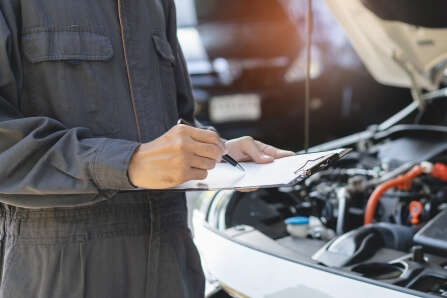
If you drive in the UK, staying on top of your MOT test is one of the most important responsibilities you have as a vehicle owner. It’s not just about legality; it’s about safety, reliability, and avoiding unexpected costs down the line. Both drivers and motorists must ensure their vehicles meet all MOT requirements to remain compliant and safe on the road.
At Premier Vehicle Care, we regularly speak to drivers who are unsure about when their MOT is due, how often they need one, and what happens if they miss it. As the driver, you are responsible for making sure your vehicle is roadworthy and fully compliant with MOT requirements at all times. In this guide, we’ll walk you through everything you need to know in a clear, straightforward way, no jargon, just practical advice you can rely on.
What Is an MOT Test?
An MOT test is an annual inspection required by UK law to ensure your vehicle meets minimum road safety and environmental standards. The MOT test was first introduced in 1960 and has evolved to cover twenty different parts or systems of a vehicle. It checks key components such as:
- Brakes and tyres
- Lights and indicators
- Suspension and steering
- Emissions and exhaust systems (the exhaust must be complete, secure, leak-free, and fully functional, to pass the MOT)
- Seatbelts and safety features
Where applicable, emissions standards are checked based on your vehicle type. The MOT test is a visual inspection by a certified technician and does not involve dismantling vehicle parts. It is conducted by DVSA-approved examiners at authorised testing centres.
Different MOT test classes apply depending on your vehicle: for example, MOT Class 4 for cars and small vans, and Class 7 for goods vehicles.
It’s important to understand that an MOT doesn’t guarantee your car is in perfect condition; it simply confirms that it meets the legal standards at the time of testing.
Need clarity on your vehicle’s condition? Contact us for expert advice.
How Often Do You Need an MOT Test?
The Simple Rule
In most cases, you need an MOT test:
- Once a year, after your vehicle reaches three years old
This applies to the majority of cars, vans, and light vehicles on UK roads.
New Cars
If your car is brand new, you won’t need an MOT for the first three years. After that, it becomes an annual requirement.
Vehicles That May Differ
Some vehicles have slightly different rules, including:
- Taxis and private hire vehicles
- Motorcycles (still annual after three years)
- Larger commercial vehicles
MOT tests are divided into classes, with Class 4 applicable to cars and small vans weighing up to 3,000kg, and Class 7 applicable to goods vehicles, including large vans, weighing between 3,000kg and 3,500kg. Make sure you know which class applies to your vehicle before booking your MOT.
If you’re unsure which category your vehicle falls into, it’s always best to check.
Unsure when your MOT is due? Get in touch today, and we’ll help you check.
What’s Included in the MOT Test?
When you book your MOT, your vehicle undergoes a thorough inspection designed to ensure it’s in a safe, roadworthy condition and meets all legal requirements. A qualified tester will carry out a detailed assessment, checking a wide range of components to determine whether your car, van, or motorcycle is fit for the road.
The MOT test covers the following key areas:
- Vehicle Registration Number & VIN: The tester will verify your vehicle’s registration number and Vehicle Identification Number (VIN) to confirm your car’s identity and ensure all details match official records.
- Number Plate: Your number plate must be secure, clearly legible, and meet UK standards. Any issues with the plate’s condition or security can result in a failed test.
- Lights: All lights, including headlights, taillights, brake lights, and indicators, are checked for correct operation, alignment, and brightness to ensure you’re visible and safe on the road.
- Tyres & Wheels: The condition, tread depth, and security of your tyres and wheels are inspected. Tyres must meet the minimum legal tread depth and be free from damage.
- Brakes: The tester will assess the effectiveness and condition of your brakes, including pads, discs, and brake lines, to guarantee reliable stopping power.
- Exhaust & Emissions: Your exhaust system is checked for leaks, security, and noise levels. The MOT also includes an emissions test using specialist equipment to ensure your vehicle meets environmental standards.
- Windscreen & Wipers: The windscreen is examined for chips or cracks, and wipers are tested to confirm they clear the screen effectively.
- General Security: The MOT covers the security of doors, bonnet, boot, and other essential components, ensuring everything is properly fitted and secure.
If your vehicle fails the MOT, you’ll receive a detailed report outlining the reasons for failure, along with any advisory notes for items that may need attention soon. This pass or fail certificate helps you understand exactly what repairs are needed to bring your vehicle back to a valid, roadworthy condition. Once repairs are carried out, you can arrange a retest to secure your valid MOT certificate.
It’s worth noting that in Northern Ireland, the MOT test process is slightly different, but the core focus remains on safety and compliance. No matter your location, having a valid MOT certificate is a legal requirement and essential for your peace of mind.
Many MOT centres, including Premier Vehicle Care, offer additional services such as car servicing and repairs, making it easy to address any issues found during your inspection. Prices can vary depending on your vehicle and location, but investing in a quality service ensures your car remains safe and reliable.
Don’t wait until the last minute, book your MOT with a trusted centre to keep your vehicle in top condition and avoid unnecessary stress. A comprehensive MOT assessment not only keeps you legal but also protects your safety and your wallet in the long run.
Why the MOT Test Matters
It can be tempting to see the MOT as just another yearly hassle, but it plays a vital role in keeping you and others safe on the road. Driving with an expired MOT certificate is illegal and can result in penalties, so it’s essential to ensure your MOT is always valid.
1. Legal Compliance
Driving without a valid MOT certificate is illegal in the UK (unless you’re driving to a pre-booked test).
2. Safety Assurance
An MOT highlights potential issues before they become serious. For example:
- Worn brake pads
- Tyre damage
- Faulty lights
These are problems that could lead to accidents if left unchecked.
3. Cost Savings
Catching issues early can save you money. Minor repairs are always cheaper than major failures caused by neglect.
Avoid costly surprises, request a free quote before your next MOT.
When Should You Book Your MOT?
You don’t have to wait until your current MOT expires. In fact, you can book your MOT test appointment online through various service providers and choose from a range of available time slots:
- Up to one month (minus a day) before the expiry date
Alternatively, you can call the centre directly or use a digital system to check your MOT status or arrange your booking.
This allows you to renew early without losing your original renewal date.
Why Booking Early Helps
Booking in advance gives you:
- Time to fix any issues if your vehicle fails
- More flexibility with appointments
- Peace of mind
At our MOT centre, we always recommend planning rather than leaving it to the last minute.
Stay ahead of your MOT deadline. Contact our team for tailored advice.
What Happens If Your Car Fails Its MOT?
Failing an MOT can feel stressful, but it’s more common than you might think. If your vehicle fails the MOT test, you will receive a list of major or dangerous faults that need to be addressed before your vehicle can be driven legally. All MOT results, including failures and passes, are recorded in the DVSA database, which you can check online using your vehicle details or MOT test number.
If your vehicle passes the MOT test, you will be issued a pass certificate. This official document confirms your vehicle has met the required safety and environmental standards. The pass certificate may also list any minor items that need attention, so you can address them before your next MOT.
Common Reasons for Failure
Some of the most frequent issues we see include:
- Tyres below the legal tread depth
- Faulty lights or indicators
- Brake wear
- Suspension problems
In fact, approximately 30% of MOT failures are due to lighting or signalling issues, while 10-18.5% are caused by tyre problems such as incorrect pressure or tread depth below the 1.6mm legal limit. Issues with brakes, including inefficient parking brakes and worn pads, are related to exhaust and emissions, such as excessive smoke, leaks, or exceeding pollution standards.
Nearly half of all MOT failures could be avoided through simple, regular maintenance. Preventable issues are responsible for around 37-40% of vehicles failing their first MOT attempt. Common MOT failures often stem from these simple, preventable issues like lighting, tyres, brakes, and suspension.
Please note: the MOT test records the vehicle’s mileage as shown on the odometer, but does not verify the accuracy of the mileage reading.
After a Failure
If your vehicle fails:
- You’ll receive a VT30 certificate outlining the issues
- Repairs will need to be carried out
- A retest will be required
In some cases, you may be eligible for a free or reduced-cost retest, depending on when repairs are completed.
Failed your MOT? Get in touch today, and we’ll guide you through your next steps.
Choosing the Right MOT Centre
Not all garages are the same, so choosing a reliable MOT centre is key. A good MOT centre should be professionally run and fully equipped with modern diagnostic tools to ensure accurate and efficient testing. MOT test centres must also be regulated and licensed by the DVSA in Great Britain.
What to Look For
When selecting a garage, consider:
- DVSA approval
- Transparent pricing
- Experienced technicians
- Positive customer reviews
If you’re searching for an MOT centre Newcastle, it’s worth choosing a team that understands local driving conditions and offers honest, straightforward service.
Why Customers Choose Us
At Premier Vehicle Care, we pride ourselves on:
- Clear communication
- No unnecessary upselling
- Skilled and qualified technicians
- A customer-first approach
Looking for a trusted MOT centre? Contact us for expert advice today.
How to Prepare for Your MOT Test
A little preparation can go a long way in improving your chances of passing your MOT test.
Simple Checks You Can Do
Before your test, we recommend checking:
- Lights: Ensure all bulbs are working
- Tyres: Minimum tread depth is 1.6mm
- Windscreen: No major cracks or chips
- Wipers and washer fluid: Fully functional
- Number plates: Clean and readable
These small steps can help you avoid easy failures.
Keep Your Car Maintained
Regular servicing throughout the year makes MOTs far less stressful. A well-maintained car is far more likely to pass the first time.
Want help preparing your vehicle? Request a free quote from our team today.
Can You Drive Without an MOT?
In most situations, no, you cannot legally drive without a valid MOT.
The Only Exception
You are allowed to drive without an MOT only if:
- You’re travelling to a pre-booked MOT test
- Or going to a garage for repairs following a failed test
Outside of this, driving without a valid MOT puts you at risk of fines and legal issues.
What About MOT Reminders?
Many drivers rely on reminders, but it’s important not to depend on them entirely.
How to Stay on Track
You can:
- Set a personal calendar reminder
- Sign up for DVSA email or text alerts
- Keep a record of your MOT expiry date
At Premier Vehicle Care, we also help customers stay organised by providing friendly reminders ahead of their due date.
MOT vs Servicing: What’s the Difference?
A common misconception is that an MOT and a service are the same thing; they’re not.
MOT Test
- Legal requirement
- Checks roadworthiness
- Pass or fail outcome
Car Servicing
- Recommended maintenance
- Improves performance and lifespan
- Prevents future issues
Ideally, you should have both done regularly to keep your car in the best condition possible.
The Risks of Skipping Your MOT
Putting off your MOT might seem harmless, but it can lead to serious consequences.
Legal Risks
Driving without a valid MOT can result in:
- Fines
- Points on your licence
- Issues with insurance claims
Safety Risks
More importantly, you could be driving an unsafe vehicle without realising it.
Financial Risks
Ignoring small issues often leads to bigger, more expensive repairs later on.
Don’t take the risk, get in touch today to book your MOT with confidence.
Why Regular MOTs Keep You Safer
Ultimately, the MOT test isn’t just a legal box to tick; it’s an essential part of responsible driving.
By staying up to date, you:
- Protect yourself and others
- Extend the life of your vehicle
- Maintain your car’s resale value
- Avoid unnecessary stress
At our MOT centre Newcastle, we see first-hand how regular testing helps drivers stay safe and avoid unexpected breakdowns.
Stay Road-Ready All Year Round with Premier Vehicle Care
Keeping on top of your MOT test is one of the simplest ways to stay safe, legal, and stress-free on the road. Once your vehicle reaches three years old, make it a habit to book your MOT every year, and don’t leave it until the last minute.
At Premier Vehicle Care, we’re here to make the process as smooth and straightforward as possible. Whether you need advice, a booking, or help after a failed test, our team is always ready to help.
Ready to book your MOT? Contact our team for tailored advice today.
MOT Testing FAQs
How often do I need to get an MOT test for my vehicle?
Most vehicles in the UK require an MOT test once every year after they have been registered for three years. This annual inspection ensures your vehicle remains roadworthy and compliant with legal requirements.
Can I book my MOT test online and choose a convenient location?
Yes, you can easily book your MOT test online at many professional MOT centres, including those in Newcastle. Booking online allows you to select a suitable date and time slot at a location near you.
What types of vehicles require an MOT test?
The MOT test applies to most vehicles, including cars, motorcycles over 50cc, taxis, buses, goods vehicles, and large vans. Different classes of MOT tests apply depending on the vehicle type and weight.
What happens if my vehicle fails the MOT test?
If your vehicle fails, the tester will provide a detailed report listing the major faults that must be repaired before your vehicle can be legally driven. You may be entitled to a free or discounted retest if repairs are done promptly.
Does having a valid MOT certificate affect my car insurance?
Yes, having a valid MOT certificate is often a requirement for insurance coverage. Driving without a valid MOT can invalidate your insurance, especially if you are involved in an accident and cannot produce a current MOT certificate.


