
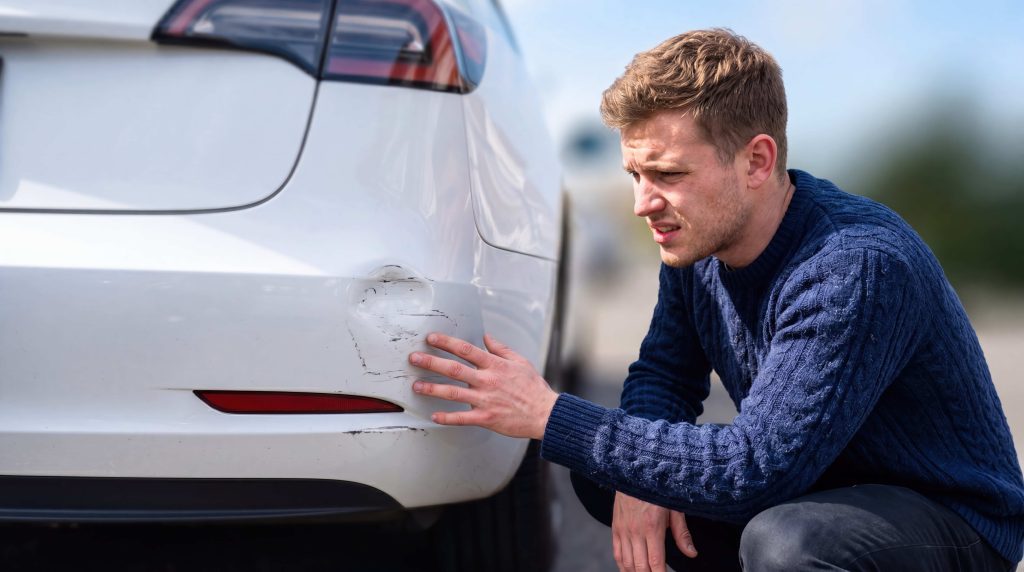
When something goes wrong with your vehicle whether from an accident, fire, theft, or mechanical failure understanding what your insurance policy or car warranty cover actually includes can save you considerable stress and money. Many drivers only discover the gaps in their coverage when they are already mid claim.
The Insurance Repair Claims Process: Step by Step
Insurance repairs are vehicle or property restoration services covered by your insurer following a qualifying incident. The claims process, while it can feel daunting, follows a consistent structure.
Step 1 Report immediately. Contact your insurer as soon as possible ideally within 24 hours of the incident. You will need your policy number and a detailed account of what happened. The insurer will provide a claim number to reference throughout the process.
Step 2 Document everything. Before cleaning up or moving anything, take photos and videos of all damaged areas from multiple angles. Create a list of damaged, stolen, or destroyed items. Insurers may need to inspect the scene, so thorough documentation protects your claim.
Step 3 Arrange emergency repairs if needed. Temporary measures to stop further damage are permitted before the insurer assesses the vehicle. Save all invoices for any emergency repair work these will be included in your claim.
Step 4 Assessment by a loss adjuster. For more complex claims, an insurer appointed loss adjuster will visit to assess the damage. Walk through the affected areas with them to ensure every issue is properly noted.
Step 5 Approval and repair. The insurer will approve the scope of repairs required to restore the vehicle to its pre incident condition. You should receive regular updates from either the insurer or contractor on progress.
Customers have the legal right to select their own repairer insurers often recommend their approved network for efficiency, but you are not required to use it. If you use an independent contractor, repair quotes must be submitted to the insurer for approval first. Our insurance claims handling service at Premier Vehicle Care manages this entire process on your behalf, from the initial assessment through to completed repairs.
Involved in an accident? Get a repair quote from our team and we will handle the insurer directly.
What Car Insurance Does and Does Not Cover
Comprehensive car insurance typically covers repair costs resulting from accidents, fire, theft, and vandalism, and unlike optional warranty style cover, it is a legal requirement by law. Third party insurance does not cover damage to your own vehicle only damage caused to other people’s vehicles or property.
What most standard policies do not cover is equally important to understand. Routine maintenance, wear and tear, and mechanical breakdowns are excluded from most car insurance policies, as these are considered the driver’s responsibility rather than insured events. For example, a warranty may help with repairs caused by an electrical fault, but not accident damage.
This is where vehicle repair insurance also known as mechanical breakdown insurance or extended car warranty becomes relevant. In most cases, the price depends on several factors, especially the type of vehicle and the level of coverage, and policies are available for both new and used cars. While this cover can be valuable, it may also be expensive and still include excesses, limits, and exclusions.
For the full legal requirements around car insurance in the UK, the Governments vehicle insurance guide sets out what is and is not compulsory.
Vehicle Repair Insurance, Mechanical Breakdown Insurance, and Car Warranty Cover Explained
Vehicle repair insurance helps with repairs caused by mechanical or electrical faults rather than accident damage, and policies can carry different limits on what is included, protecting you from unexpected repair bills that standard car insurance will not pay out for.
There are two main types available:
| Type | Who Provides It | When It Applies |
|---|---|---|
| Manufacturer’s Extended Warranty | The vehicle manufacturer | Typically covers the first three years or set mileage |
| Third-Party Extended Warranty | Independent warranty providers | After the manufacturer warranty expires |
In the UK, car warranty agreements typically require owners to maintain their vehicle according to the manufacturer’s specifications to remain eligible for coverage. To keep a car warranty valid, every provider will require regular servicing in line with the manufacturer’s schedule. Check the policy details carefully, including claim limits, covered components, and servicing conditions. If your car is older than three years, a valid MOT is also required. Our car servicing team in Newcastle keeps your vehicle compliant and your warranty intact.
So, you may be asking: is vehicle repair insurance worth it for an older car? From our experience, the value of extended warranty cover depends on several factors, including the vehicle’s condition and the likelihood of major faults, not just age, as the risk of costly mechanical and electrical failures rises particularly for engine, roof mechanisms, and complex electrical components.
Benefits of vehicle repair insurance include:
- Peace of mind against unexpected and costly repair bills
- Cost savings versus paying for individual repairs out of pocket
- A single point of contact for covered repair needs
- Potential to increase the resale value of your car
Drawbacks to consider:
- Annual premiums add to overall running costs and cover can be expensive
- Limited coverage not all components may be included
- Excesses and exclusions can reduce the practical value of a claim in most cases
- Terms vary depending on the vehicle’s age, mileage, condition, and whether the car is new or used
Not all car warranty agreements are the same. Review each policy carefully for exclusions and coverage limits before purchase. Citizens Advice provides independent guidance on your rights through their consumer insurance section.
Keeping Your Vehicle Covered and Road-Ready
Whether you are managing an active insurance claim or reviewing your car warranty cover, staying on top of your vehicle’s condition is the best protection against unexpected costs for drivers and business owners alike. Our bodyshop and accident repair team is Stellantis Approved, so you can expect clear guidance on what happens during an insurance repair or warranty claim, with manufacturer-standard repairs for Peugeot, Citroen, Vauxhall, Fiat, Alfa Romeo, and Jeep at independent pricing. View our full range of vehicle services or browse the Premier Vehicle Care blog for more advice.
Need help with an insurance repair or warranty claim? Contact our Newcastle team today no hassle, no hidden costs, and we can deal directly with your insurer to reduce hassle.
Frequently Asked Questions
Does car insurance cover mechanical breakdowns?
No. Standard car insurance policies do not cover mechanical or electrical failures. These require separate vehicle repair insurance or a car warranty.
Can I choose my own garage for insurance repairs?
Yes. You have the legal right to choose your own repairer. If using an independent garage, your repair quotes must be submitted to your insurer for approval before work begins.
What should I do immediately after an incident?
Contact your insurer within 24 hours, document all damage with photographs, arrange emergency repairs if needed to prevent further damage, and save all invoices.
Do I need an MOT to keep my car warranty valid?
Yes. If your vehicle is older than three years, a valid MOT is required alongside up to date servicing to remain eligible for warranty cover.


